Free UK delivery over £200
Nutra Formulations
Amino acids

L-Lysine

An essential amino acid found in meat, dairy and legumes.

Why it’s used: A building block for proteins including collagen.

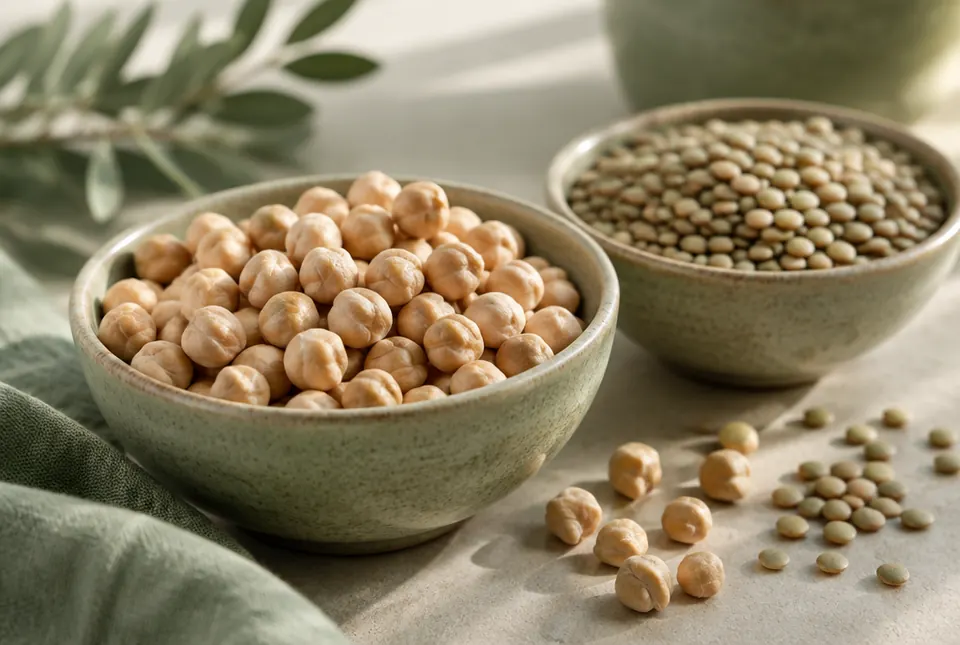
chickpeas and lentils in ceramic bowls
About

What is l-lysine?

L-lysine is an essential amino acid, so the body cannot make it and it must come from food. Rich sources include meat, fish, dairy foods, eggs and legumes such as beans and lentils. Most people who eat a varied diet with enough protein get plenty.

Lysine is a building block for proteins throughout the body, including collagen, the most abundant protein in animals and a key structural protein in skin, tendons and bone. Because it is essential, a steady intake from protein foods matters, particularly for people whose diets are low in protein overall.

As a supplement, lysine is usually sold as L-lysine or L-lysine hydrochloride (HCl), in tablets, capsules or powder, with amounts in milligrams (mg). Researchers have studied it in a wide range of human trials, and a 2019 systematic review of 71 studies looked at amounts from under 20mg to 17.5g a day. The side effects reported were mainly stomach-related, such as nausea, stomach ache and diarrhoea. No health claims are authorised for lysine in the UK.

What the research says

Evidence, not anecdote.

3 findings behind this ingredient. Hover a card for the detail and the source.

RCT2004

Adding lysine to wheat flour improved growth in children and markers of nutritional status in families relying on wheat for protein.

A three-month double-blind study gave 40 families in Pakistan lysine-fortified wheat flour and 40 unfortified flour. Children in the lysine group gained more height and weight, and transferrin and immune markers rose in adults and children.

RCT2004

Lysine-fortified wheat flour improved children's growth and several nutrition and immune markers in families eating a wheat-based diet.

In 88 farm families in northern China, half received wheat flour fortified with 3 g lysine per kg for three months. Children gained more height and weight, adults had higher prealbumin, and several immune markers increased.

RCT2010

A daily 1 g lysine supplement reduced days of illness in children and men in low-income households with low lysine intake.

A double-blind trial gave 271 men, women and children in Accra, Ghana, 1 g lysine a day or placebo. Lysine reduced diarrhoeal episodes and days ill in children, and days ill in men.

In our range

Supplements with l-lysine.

None of our current products contain it. Find the right supplement for you in six questions.

Questions

Asked before you buy.

Can't see yours? Ask our team, answered within a working day.

What does L-lysine do?

L-lysine is an essential amino acid used to build proteins throughout the body, including collagen in skin, tendons and bone. Because the body cannot make it, it must come from foods such as meat, fish, dairy, eggs and legumes.

How much lysine is safe?

A 2019 systematic review of 71 human studies proposed a provisional no-observed-adverse-effect level of 6g a day, based mainly on stomach symptoms. There is no official UK upper level, so stay within the amount on your product label.

Do vegans need extra lysine?

Not necessarily. Legumes such as beans and lentils are good plant sources of lysine, so a varied vegan diet that includes them regularly can provide enough. A lysine supplement is optional rather than essential for most people.

Sources
  1. Safety assessment of L-lysine oral intake: a systematic review · Amino Acids (PubMed), 2019
  2. Collagen structure and stability · Annual Review of Biochemistry (PubMed Central), 2009

Information only, not medical advice. If you take medication, are pregnant or breastfeeding, speak to your GP or pharmacist first.

Find your protocol

Not sure where to start?

Answer six quick questions and we will point you to the protocol or product that fits your goal. No email needed.

Start the assessment