Free UK delivery over £200
Nutra Formulations
Amino acids

Creatine

A compound made from amino acids and stored in muscle.

Why it’s used: Creatine increases physical performance in successive bursts of short-term, high-intensity exercise (from a daily intake of 3 g).

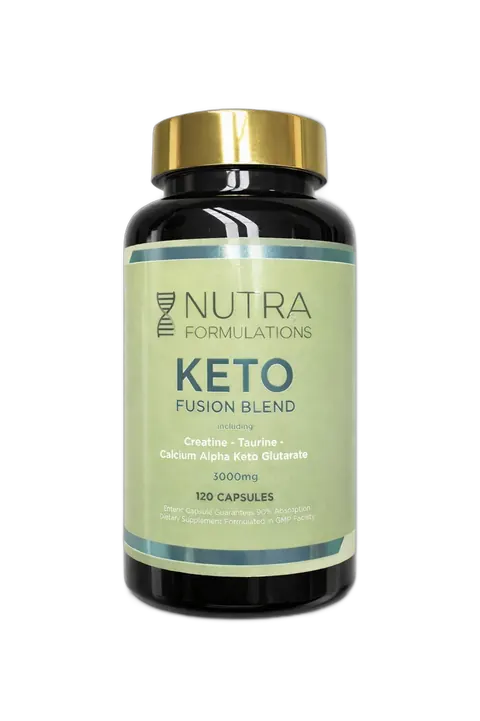
Shop 1 product with creatine
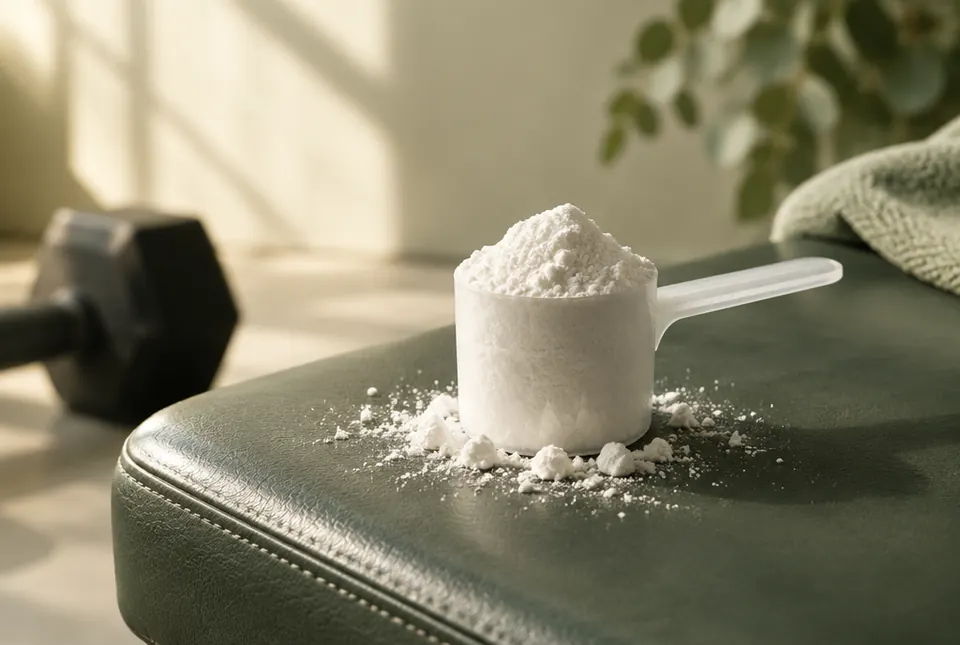
white creatine powder in a scoop on a gym bench
About

What is creatine?

Creatine is a compound the body makes from three amino acids: arginine, glycine and methionine. Most of it is stored in muscle, where it helps supply energy for short, intense bursts of activity. It is found in meat and fish, while plant foods contain essentially none.

Creatine is one of the most studied sports supplements, and it carries an authorised health claim in the UK: creatine increases physical performance in successive bursts of short-term, high-intensity exercise. The beneficial effect is obtained with a daily intake of 3g, and the claim applies to adults performing high-intensity exercise.

The standard form is creatine monohydrate, usually sold as an unflavoured powder or in capsules. Some people start with a short loading phase to fill muscle stores quickly; others simply take a smaller daily amount, which takes around three to four weeks to raise stores to a similar level. A small rise in body weight from extra water held in muscle is common in the first weeks.

What the research says

Evidence, not anecdote.

3 findings behind this ingredient. Hover a card for the detail and the source.

Meta-analysis2003

Creatine improved performance in short, high-intensity tasks lasting 30 seconds or less, especially repeated bouts.

A meta-analysis of 100 placebo-controlled studies found small but significant gains, greatest for repeated-bout laboratory tasks of 30 seconds or less; running and swimming did not improve.

Meta-analysis2024

Creatine taken with resistance training increased upper- and lower-body strength more than placebo in adults under 50.

A meta-analysis of 23 studies (over 500 participants) found extra gains of 4.43 kg in upper-body and 11.35 kg in lower-body strength with creatine plus training.

RCT2002

Short-term creatine improved repeated high-power exercise and repeated sprint performance in trained handball players.

19 trained male handball players took 20 g/day creatine or placebo for 5 days in a double-blind trial. Repetitions to fatigue, power output, leg strength and repeated sprint times improved.

In our range

Supplements with creatine.

Questions

Asked before you buy.

Can't see yours? Ask our team, answered within a working day.

How much creatine should I take a day?

The authorised claim applies at 3g a day, and the ISSN describes 3 to 5g a day as a typical maintenance amount. A loading phase of about 20g a day for 5 to 7 days fills muscle stores faster but is optional.

Is creatine bad for your kidneys?

Studies in healthy people have not shown harm at typical doses, according to the ISSN. Creatine can raise creatinine on blood tests, which may look like a kidney problem, so tell your doctor you take it. If you have kidney disease, check with your GP first.

Do I need to load creatine?

No. Loading with about 20g a day for 5 to 7 days fills muscle stores faster, but taking 3 to 5g a day without loading reaches a similar level in around three to four weeks. Choose whichever suits your routine.

Shop by goal
Often found with
Independent experts

Experts on creatine.

Videos from doctors, research scientists and registered dietitians, for general education. They are independent of Nutra Formulations, do not refer to our products and are not medical advice for you.

Creatine Supplements: Who Benefits Most, Does It Work and Is It Safe?

Dr Christy Risinger, MD, internal medicine · Christy Risinger, MD on YouTube

Creatine After 50: What the Science Actually Says, and Who Shouldn't Take It

Dr Alex Wibberley, Doctor, emergency medicine (UK) · Doctor Alex on YouTube

Sources
  1. Great Britain nutrition and health claims (NHC) register · Department of Health and Social Care, 2021
  2. International Society of Sports Nutrition position stand: safety and efficacy of creatine supplementation in exercise, sport, and medicine · Journal of the International Society of Sports Nutrition (PubMed), 2017
  3. Important roles of dietary taurine, creatine, carnosine, anserine and 4-hydroxyproline in human nutrition and health · Amino Acids (PubMed Central), 2020

Information only, not medical advice. If you take medication, are pregnant or breastfeeding, speak to your GP or pharmacist first.

Find your protocol

Not sure where to start?

Six quick questions match you to the products in our range that fit your goal, with the reasons why.

Start the assessment