

Gut & digestion
Struggling with bloating, irregularity or digestive discomfort? An imbalanced gut can affect more than just digestion—it can impact energy, immunity, skin and even mood.
- 1 product
- Free UK delivery over £200
- Subscribe & save 15%
- Mahoney01
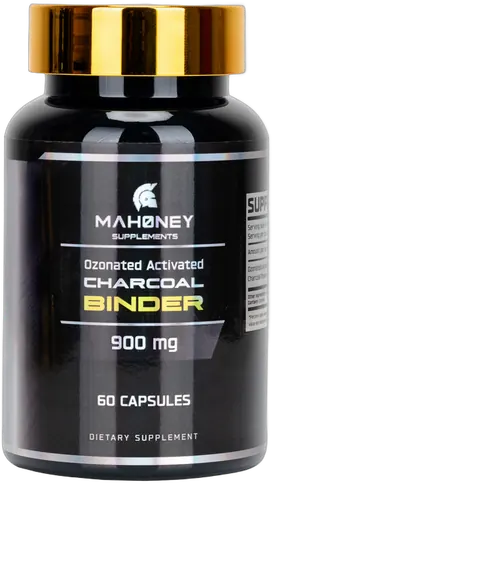 Activated CharcoalNatural support for digestive balance and toxin removal.£18.89 on subscribe & save£22.22Shop
 - Mahoney02
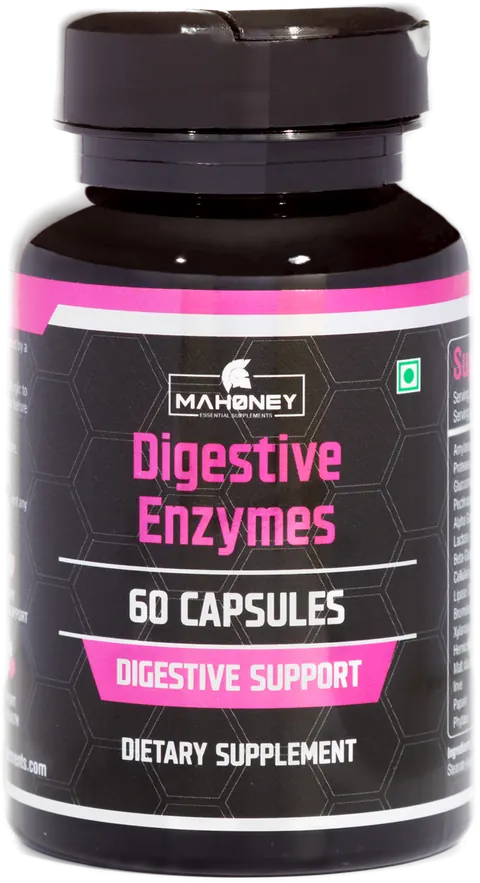 Digestive enzymesFrequent bloating, gas or a heavy stomach after meals?£29.74 on subscribe & save£34.99Shop
 - Precision Formulas03
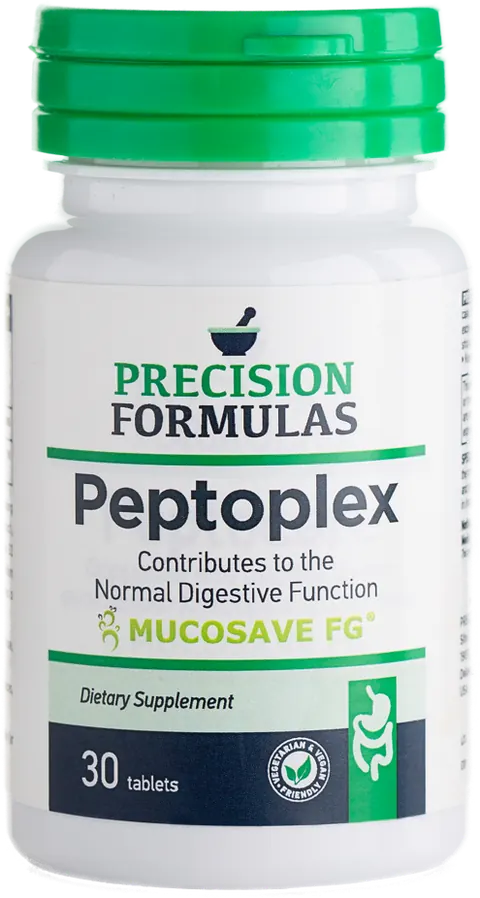 PeptoplexExperiencing digestive discomfort, reflux or sluggish gut?£29.75 on subscribe & save£35.00Shop
Know what you're taking for gut & digestion.
 ArticleDigestive enzymes benefits: how they work and when to take themDigestive enzymes help break food into pieces your body can absorb. The clearest benefits come from targeted enzymes: lactase improves lactoRead more
  Free guide10 ways to improve sleepOur sleep guide, free when you join the Nutra list.Get it free
  Two-question quizFind your starting pointTwo taps to the right product or protocol for you.Take the quiz
Sleep better in ten small changes.
Everything else works better after a good night. Join the Nutra list with your email and our sleep guide is yours free.
- A wind-down routine that fits a real evening
- Light, caffeine and timing, simply explained
- Where magnesium, theanine and other nutrients fit in
Find your protocol.
Six quick questions. We match your answers to the ingredients in every product and show you the ones that fit, with the reasons why. No email needed.
Start with gut & digestionWe don't make everything. We choose the best.
When a maker does one thing better than anyone else, we stock theirs instead of making our own. Every product here earned its place on dose, form and testing.
How we choose- Precision Formulas
Precision Formulas build around standardised botanical extracts with the active compounds measured, so every capsule delivers what the label says.
Asked before you buy.
Can't see yours? Ask our team, answered within a working day.
What is the best probiotic for gut health?
There is no single best probiotic, because effects depend on the specific strain, dose and person. The NHS notes that evidence for one strain does not apply to all probiotics. Choose a product that names its strains, such as Lactobacillus rhamnosus or Saccharomyces boulardii, and gives a clear count of live cultures.
How long do probiotics take to work?
The NHS suggests taking a probiotic for at least four weeks to judge whether it is helping you. Take it consistently, follow the storage instructions so the cultures stay alive, and keep a simple note of how you feel. If nothing has changed after a month, it may not be the right product for you.
What is the difference between prebiotics and probiotics?
Probiotics are live microorganisms, such as certain bacteria or yeasts. Prebiotics are types of fibre the body cannot digest, which the bacteria in your gut use as food. Some products combine both. Foods such as oats, onions, garlic, leeks and bananas are natural sources of prebiotic fibre.
Can I take probiotics with antibiotics?
Generally yes. A Cochrane review found probiotics may reduce antibiotic-associated diarrhoea, and short-term use alongside antibiotics appears safe for people who are not immunocompromised. If you are seriously ill or have a weakened immune system, check with your doctor first.
How much fibre should I eat for a healthy gut?
The NHS recommends adults aim for 30g of fibre a day, yet most adults average only about 20g. Increase it gradually and drink plenty of fluids to avoid bloating. Wholegrains, pulses, fruit and vegetables are the best places to start, and a fibre supplement can help close the gap.
Which product should I start with?
Start with one product for your main goal and take it daily, as the label directs, for a few weeks before adding anything else. Not sure which? The two-question quiz on this page points you to the right shelf, and our protocols pair products designed to work together.
Can I take these alongside medication?
Food supplements can interact with some medicines. If you take prescription medication, are pregnant or breastfeeding, or have a medical condition, speak to your GP or pharmacist before you start. Always follow the label and do not exceed the stated dose.
How does subscribe & save work?
Choose subscribe & save on a product page and you pay 15% less, with a fresh supply every 30 days so you never run out.
Nutra Formulations offers expert gut health solutions formulated with enzymes, probiotics, prebiotics and soothing botanicals. Each product is designed to nourish your microbiome, support healthy digestion, and promote gastrointestinal comfort from the inside out.
Backed by our 28‑Day Money‑Back Guarantee, so you can restore your gut with confidence.