Free US delivery over $250
Nutra Formulations
Nutrients and compounds

Phosphatidylcholine (liposome)

A phospholipid from sunflower lecithin, the same material cell walls are made from.

Why it’s used: Forms the tiny liposome bubbles that protect each nutrient through digestion.

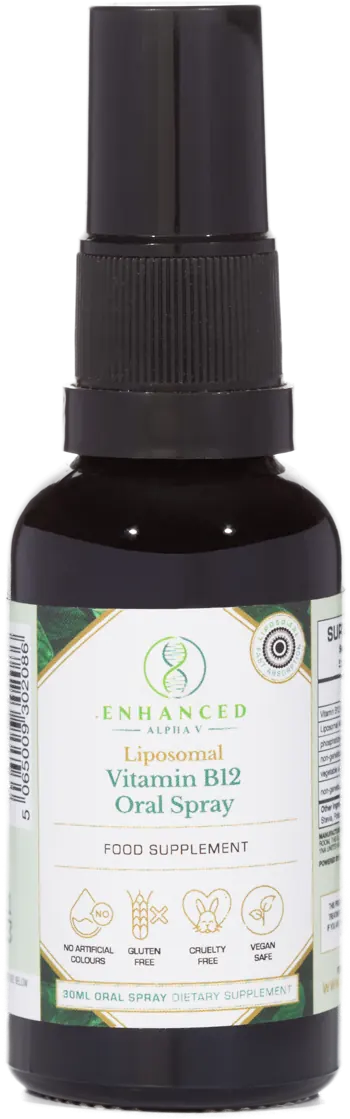
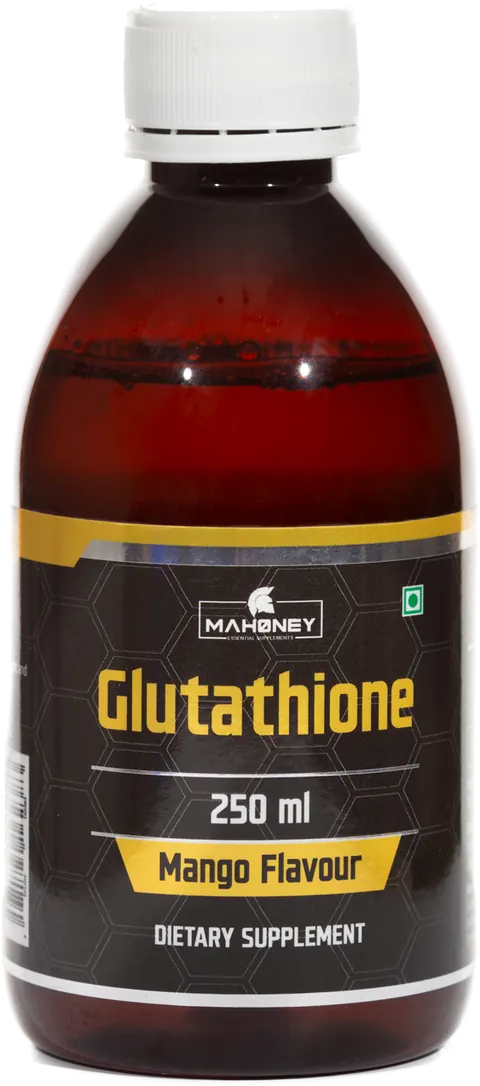
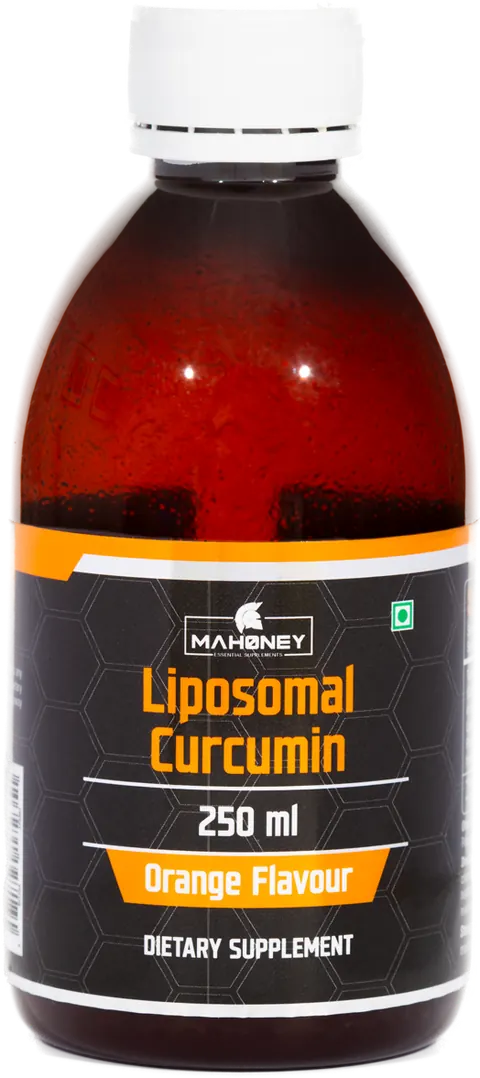
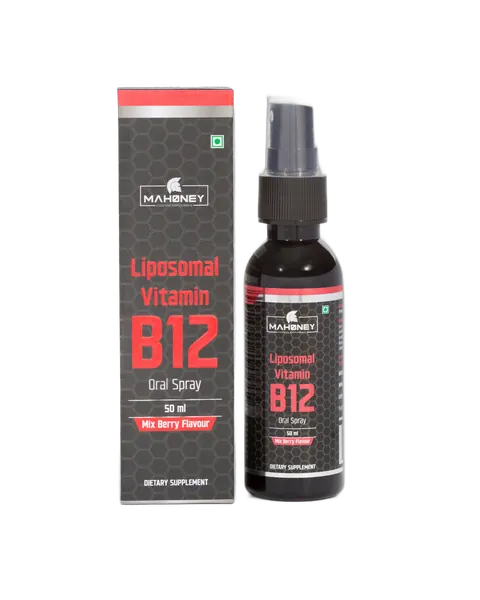
Shop 4 products with phosphatidylcholine
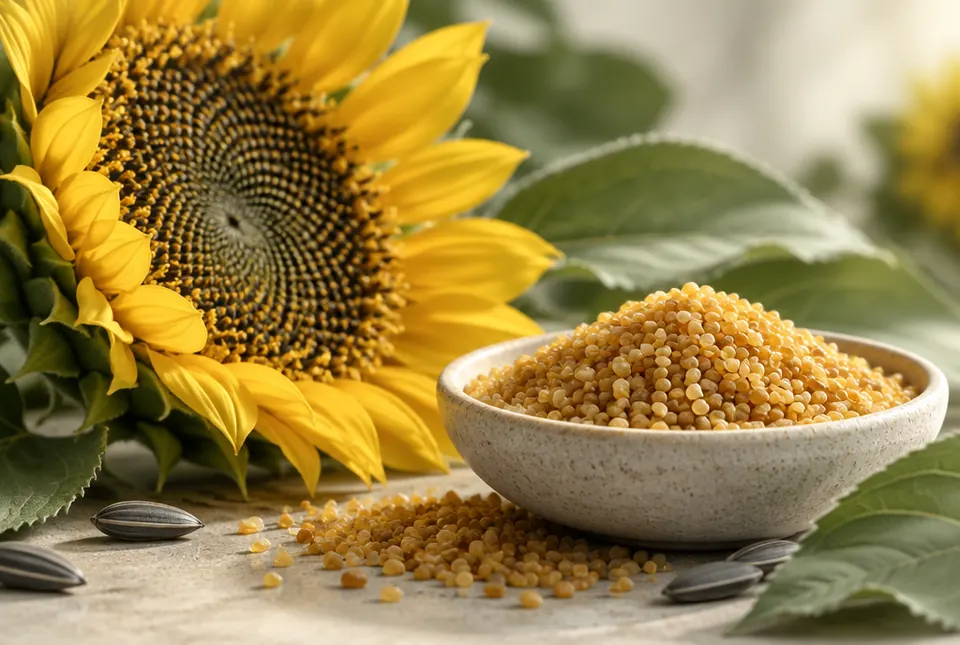
sunflower head and golden lecithin granules
About

What is phosphatidylcholine?

Phosphatidylcholine is a phospholipid, a type of fat with a water-loving head and a fat-loving tail. That dual nature lets it arrange itself into thin double layers, which is exactly how cell membranes are built. It is the most common phospholipid in the body and an important dietary source of choline.

In food it is found in eggs, meat, fish, soya and seeds. Commercially, it comes from lecithin, a fatty mixture extracted from soya beans or sunflower seeds. Sunflower lecithin is popular in supplements because it avoids soya, a major allergen, making it a good choice for people with a soya allergy.

In liposomal supplements, phosphatidylcholine is the material that forms the liposomes: microscopic bubbles with a phospholipid wall that enclose a nutrient inside. The idea is to protect the nutrient through digestion and help absorption. Studies of liposomal vitamin C, for example, have mostly found higher blood levels than standard vitamin C, though researchers note that evidence on wider effects is limited. On labels, look for phosphatidylcholine, sunflower lecithin or soy lecithin.

What the research says

Evidence, not anecdote.

3 findings behind this ingredient. Hover a card for the detail and the source.

RCT2024

Liposome-encapsulated vitamin C reached 27% higher peak blood levels than standard vitamin C at the same 500 mg dose.

Randomised, double-blind, placebo-controlled crossover trial in 27 adults given single 500 mg doses. Liposomal vitamin C gave higher peak levels (plasma +27%, white blood cells +20%) and higher 24-hour exposure (plasma +21%) than standard vitamin C.

RCT2019

A lecithin-based quercetin phytosome produced up to 20 times higher blood quercetin levels than unformulated quercetin in healthy volunteers.

Randomised three-period crossover trial in 12 healthy volunteers comparing one dose of quercetin with two doses of the lecithin formulation. The phytosome improved solubility and oral absorption without notable side effects.

RCT2021

Liposomal vitamin C was 1.77 times more bioavailable than non-liposomal vitamin C in healthy adults.

Open-label, randomised, single-dose, two-way crossover study in healthy fasting adults. Liposomes under 100 nm gave higher Cmax and AUC than standard vitamin C, with no adverse events reported.

In our range

Supplements with phosphatidylcholine.

Questions

Asked before you buy.

Can't see yours? Ask our team, answered within a working day.

What is a liposomal supplement?

It is a supplement where the nutrient is enclosed in liposomes, tiny bubbles with walls made of phospholipids such as phosphatidylcholine. The wall is designed to protect the nutrient through digestion. Studies of liposomal vitamin C have mostly shown higher blood levels than standard forms.

Is sunflower lecithin better than soy lecithin?

Both provide phosphatidylcholine. Sunflower lecithin suits people avoiding soya, which is one of the 14 major allergens in the UK. Functionally, both work well for making liposomes.

Is phosphatidylcholine the same as choline?

Not quite. Phosphatidylcholine is a phospholipid that contains choline as part of its structure, so it is a dietary source of choline. The choline content is only a fraction of its weight, so the amount of phosphatidylcholine is not the same as the amount of choline.

Shop by goal
Often found with
Sources
  1. Choline: Fact Sheet for Health Professionals · NIH Office of Dietary Supplements, 2022
  2. Dietary reference values: EFSA publishes advice on choline · EFSA, 2016
  3. Do Liposomal Vitamin C Formulations Have Improved Bioavailability? A Scoping Review Identifying Future Research Directions · Basic & Clinical Pharmacology & Toxicology (PubMed), 2025

Information only, not medical advice. If you take medication, are pregnant or breastfeeding, speak to your GP or pharmacist first.

Find your protocol

Not sure where to start?

Six quick questions match you to the products in our range that fit your goal, with the reasons why.

Start the assessment