Free US delivery over $250
Nutra Formulations
Nutrients and compounds

Nattokinase

An enzyme from natto, a traditional Japanese fermented soybean food.

Why it’s used: Studied for its role in normal circulation.

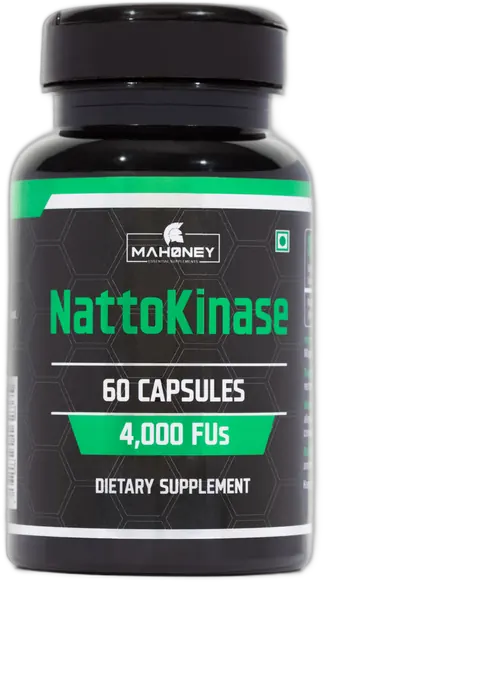
Shop 1 product with nattokinase
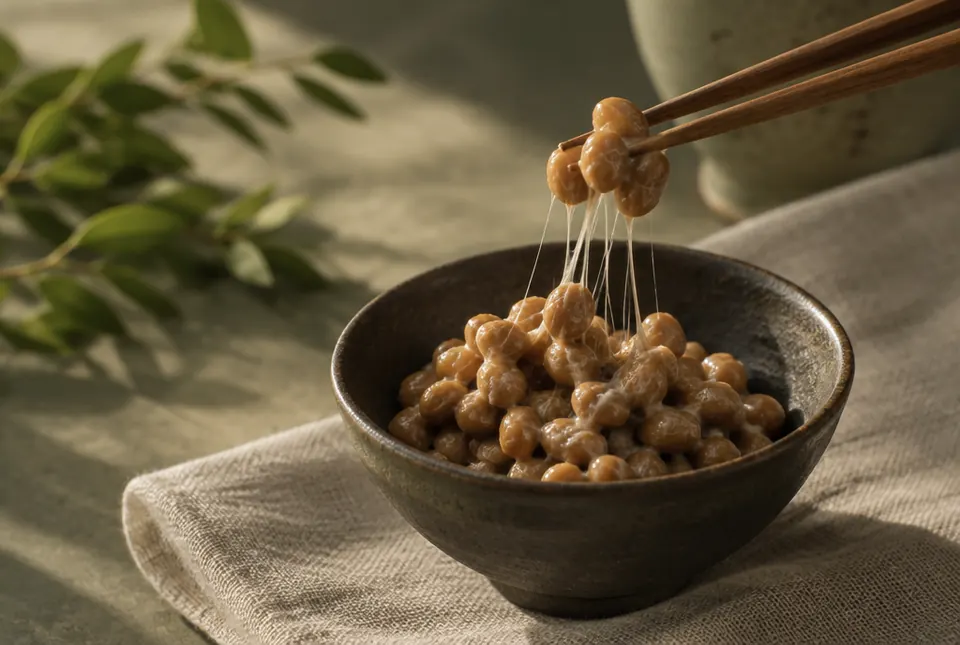
natto in a ceramic bowl
About

What is nattokinase?

Nattokinase is an enzyme produced when soya beans are fermented with the bacterium Bacillus subtilis var. natto to make natto, a traditional Japanese food known for its strong smell and sticky, stringy texture. Natto has been eaten in Japan for centuries, and nattokinase was identified in it by Japanese researchers in the 1980s.

In the laboratory, nattokinase can break down fibrin, a protein involved in blood clotting, which is why researchers have studied it for its role in normal circulation. Small human studies have measured changes in clotting-related markers, but these studies have been small and short, and they make no promises about health outcomes.

Because it is an enzyme, nattokinase is measured by activity, in fibrinolytic units (FU), rather than just by weight; a 100 mg dose often supplies around 2,000 FU. Supplement nattokinase is extracted from fermented soya and is usually sold in capsules. Natto itself is rich in vitamin K, and some supplements may contain it depending on processing, which matters for anyone taking warfarin.

What the research says

Evidence, not anecdote.

3 findings behind this ingredient. Hover a card for the detail and the source.

Meta-analysis2023

Nattokinase supplements lowered systolic and diastolic blood pressure compared with placebo across randomised trials.

A meta-analysis of six randomised trials with 546 participants found nattokinase reduced systolic blood pressure by 3.45 mmHg and diastolic by 2.32 mmHg. Lower doses did not improve cholesterol, and no notable adverse events were reported.

RCT2008

Nattokinase at 2,000 FU a day lowered blood pressure compared with placebo in adults with high-normal or mildly raised blood pressure.

A double-blind trial randomised 86 adults with untreated systolic blood pressure of 130 to 159 mmHg to nattokinase (2,000 FU) or placebo for eight weeks. Systolic fell by 5.55 mmHg and diastolic by 2.84 mmHg versus placebo.

RCT2016

Nattokinase at 100 mg a day lowered diastolic blood pressure compared with placebo in North American adults with raised blood pressure.

A double-blind multicentre trial gave 79 adults with raised blood pressure 100 mg nattokinase or placebo daily for eight weeks. Diastolic pressure fell from 87 to 84 mmHg with nattokinase but stayed at 87 mmHg with placebo.

In our range

Supplements with nattokinase.

Questions

Asked before you buy.

Can't see yours? Ask our team, answered within a working day.

What does FU mean on nattokinase labels?

FU stands for fibrinolytic units, a measure of how active the enzyme is. Because enzymes vary in strength, FU is a better guide than milligrams. Many studies used 2,000 FU a day, which is often supplied by about 100 mg of nattokinase.

Can I take nattokinase with blood thinners?

Not without your doctor's agreement. Nattokinase may affect clotting, and combining it with anticoagulants or antiplatelet medicines such as warfarin, apixaban, aspirin or clopidogrel could raise bleeding risk. Natto food also contains vitamin K, which can reduce the effect of warfarin.

Is nattokinase suitable for people with a soya allergy?

It is best avoided. Nattokinase is made by fermenting soya beans, and residual soya components can vary between products. If you have a soya allergy, speak to your allergist before considering any nattokinase supplement.

Shop by goal
Sources
  1. Nattokinase: An Oral Antithrombotic Agent for the Prevention of Cardiovascular Disease · International Journal of Molecular Sciences (PubMed Central), 2017
  2. Nattokinase Supplementation and Cardiovascular Risk Factors: A Systematic Review and Meta-Analysis of Randomized Controlled Trials · Reviews in Cardiovascular Medicine (PubMed Central), 2023
  3. Nattokinase atherothrombotic prevention study: A randomized controlled trial · Clinical Hemorheology and Microcirculation (PubMed), 2021

Information only, not medical advice. If you take medication, are pregnant or breastfeeding, speak to your GP or pharmacist first.

Find your protocol

Not sure where to start?

Six quick questions match you to the products in our range that fit your goal, with the reasons why.

Start the assessment