Free US delivery over $250
Nutra Formulations
Herbs and botanicals

Cayenne

A hot chilli pepper rich in capsaicin.

Why it’s used: Traditionally used to support metabolism and circulation.

Shop 1 product with cayenne
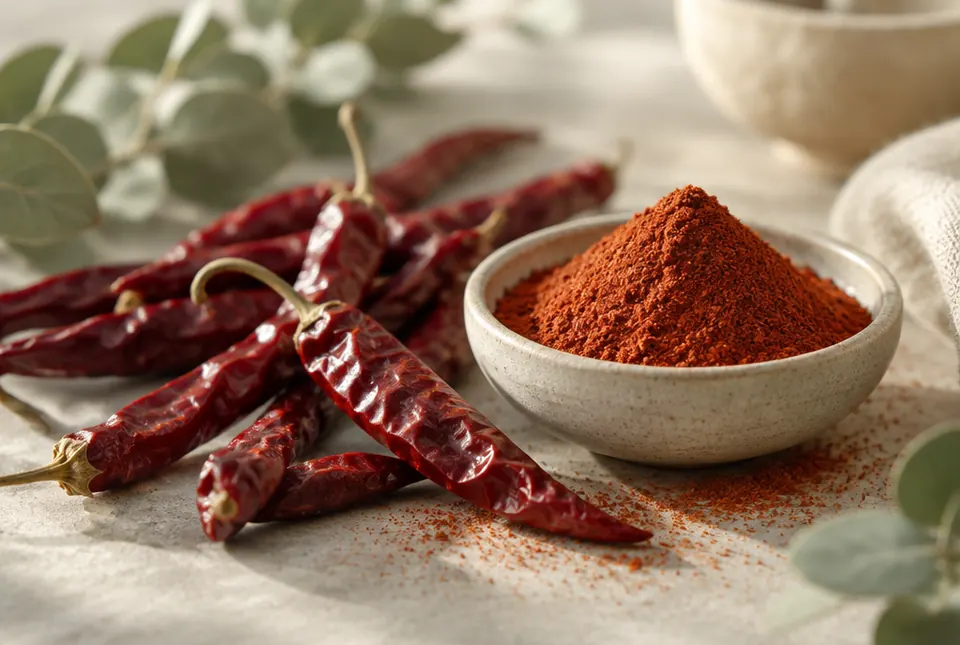
dried red cayenne peppers and chilli powder
About

What is cayenne?

Cayenne is a hot chilli pepper, a variety of Capsicum annuum, usually dried and ground into a fine red powder. Chillies originally come from Central and South America and spread around the world after the 1500s. Cayenne is named after the city of Cayenne in French Guiana.

Its heat comes from capsaicin and related compounds called capsaicinoids, which act on the same nerve receptors that sense heat, which is why chilli feels hot even though it does not raise the temperature of your mouth. Cayenne is a staple in cooking from Mexico to India and is traditionally used to support metabolism and circulation. Researchers have studied capsaicin and capsaicinoids in small trials, including on energy use, but the effects seen were small and capsaicin has no authorised health claim.

On labels you will see cayenne pepper, Capsicum annuum fruit powder, capsicum extract or capsaicinoids, sometimes with a heat rating in Scoville units or a capsaicin percentage. Some extracts are encapsulated to reduce stomach irritation.

What the research says

Evidence, not anecdote.

3 findings behind this ingredient. Hover a card for the detail and the source.

Meta-analysis2021

Capsaicinoids and capsinoids from red pepper raised resting metabolic rate by about 34 kcal a day versus placebo in healthy adults.

Meta-analysis of 13 placebo-controlled trials in healthy adults. Capsaicinoids and capsinoids increased resting metabolic rate, energy expenditure and fat oxidation and lowered respiratory quotient, with larger effects from capsules taken for longer.

Meta-analysis2023

Capsaicin supplements modestly lowered body weight, BMI and waist size in adults with overweight or obesity.

Meta-analysis of 15 randomised controlled trials with 762 people. Compared with control, capsaicin reduced BMI by 0.25 kg/m², body weight by 0.51 kg and waist circumference by 1.12 cm.

RCT2011

One gram of ground red pepper with a meal raised energy expenditure and core body temperature after eating in lean adults.

Randomised crossover trial in 25 lean men and women given no red pepper, 1 g, or their preferred amount at one meal. The 1 g dose increased post-meal energy expenditure and core temperature, and lowered energy intake in non-users of spicy food.

In our range

Supplements with cayenne.

Questions

Asked before you buy.

Can't see yours? Ask our team, answered within a working day.

What makes cayenne hot?

Its heat comes from capsaicin and related capsaicinoids. These activate the receptors in your mouth and gut that normally detect heat, so you feel a burning sensation even though nothing is actually hot. The more capsaicin, the hotter the pepper.

Will cayenne upset my stomach?

It can. The NIH Office of Dietary Supplements notes stomach pain, burning, nausea and bloating as possible effects of capsaicin. Taking it with food helps, and some extracts are encapsulated to reduce irritation. Avoid it if you have reflux or a sensitive stomach.

Does cayenne help with weight loss?

Researchers have studied capsaicin and energy use in small trials, but the effects were small and it has no authorised health claim. It is traditionally used to support metabolism, but it is not a weight-loss product. A balanced diet and activity matter far more.

Shop by goal
Often found with
Sources
  1. Dietary Supplements for Weight Loss: Fact Sheet for Health Professionals · NIH Office of Dietary Supplements, 2024
  2. Capsicum (Drugs and Lactation Database) · NCBI Bookshelf, NIH, 2024

Information only, not medical advice. If you take medication, are pregnant or breastfeeding, speak to your GP or pharmacist first.

Find your protocol

Not sure where to start?

Six quick questions match you to the products in our range that fit your goal, with the reasons why.

Start the assessment