Free US delivery over $250
Nutra Formulations
Oils for hair and skin

Sweet almond oil

Oil pressed from sweet almonds.

Why it’s used: A light, nourishing oil for hair and skin.

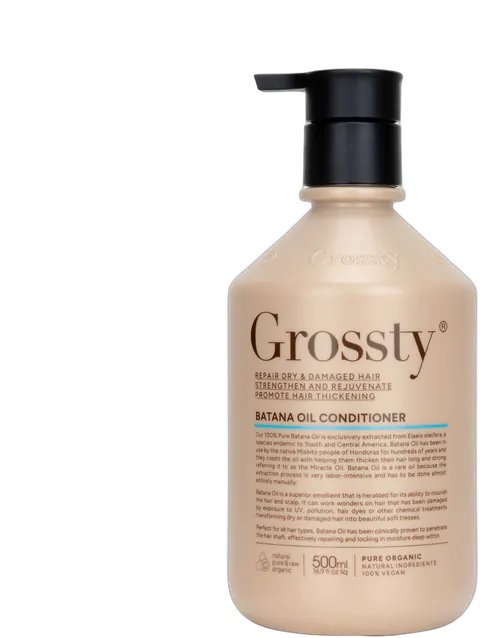
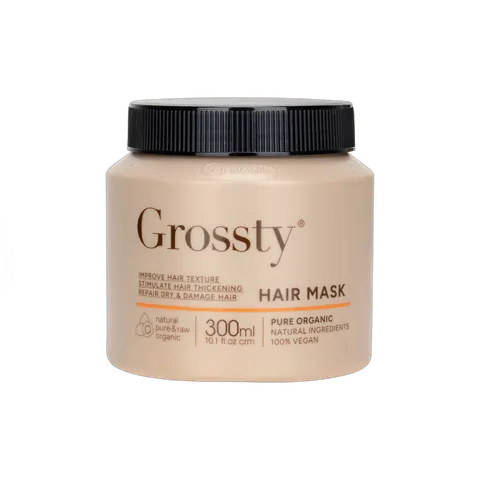
Shop 2 products with sweet almond oil
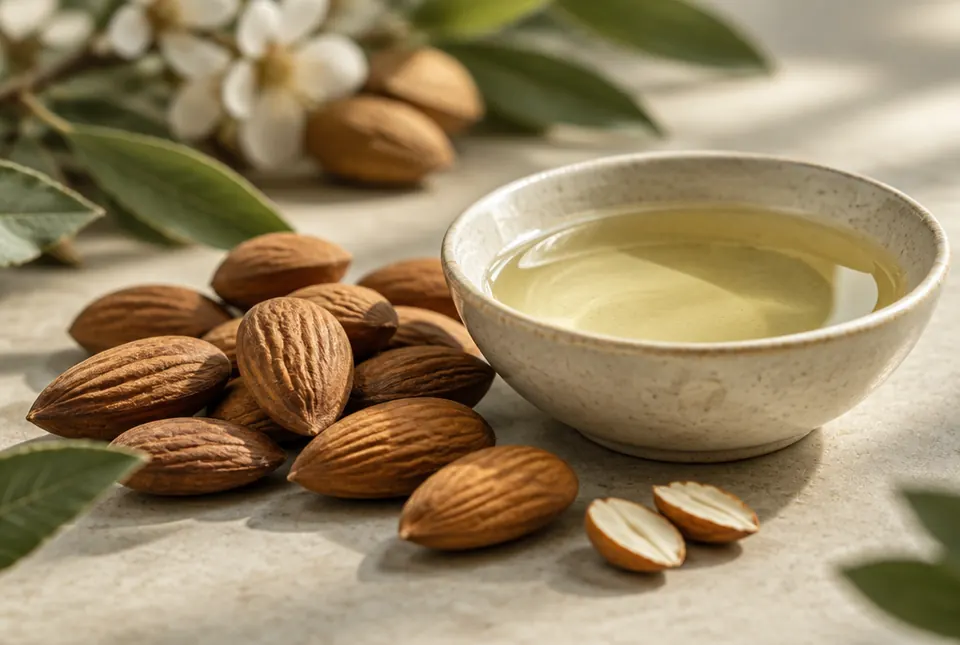
almonds and a dish of pale oil
About

What is sweet almond oil?

Sweet almond oil is pressed from the kernels of the sweet almond tree (Prunus dulcis, also written Prunus amygdalus dulcis), the same nuts we eat as a snack. It is a different product from bitter almond oil, which comes from a separate variety and is not used in the same way.

The oil is pale and light, with a mild, slightly nutty scent. It is mainly made up of oleic acid, with smaller amounts of linoleic and palmitic acid, plus vitamin E. Sweet almond oil has been used on skin for hundreds of years, and massage therapists have long favoured it as a smooth, gentle emollient. On ingredient lists you will see Prunus amygdalus dulcis oil or sweet almond oil, often in hair oils, conditioners, body oils and creams.

Sweet almond oil is a light, nourishing oil for hair and skin. A 2022 review of the research concluded that it can help strengthen the skin's outer layer and reduce dryness, though the authors noted that some of the studies had limitations. Research also shows it mainly stays on the skin's surface, where it helps reduce moisture loss, and its high oleic acid content makes it a useful carrier for other ingredients.

What the research says

Evidence, not anecdote.

3 findings behind this ingredient. Hover a card for the detail and the source.

RCT2018

Sweet almond oil cream eased itching and redness and limited the spread of stretch marks in women pregnant for the first time.

Double-blind trial in 160 first-time pregnant women comparing aloe vera gel, sweet almond oil cream, base cream and no cream on the abdomen. Almond oil reduced itching, erythema and spread of striae versus base cream and control, with no difference in striae number or diameter.

RCT2020

Almond oil applied to preterm babies' skin improved skin hydration compared with no oil, with no harmful effects seen.

Randomised trial in 90 preterm infants (32 to 37 weeks); almond or sunflower oil (4 mL/kg) was applied four times a day for 5 days. Both oils improved stratum corneum hydration and skin condition scores versus control.

RCT2020

Topical almond oil was linked to fewer pressure injuries in intensive care patients than standard care alone.

Single-blind randomised trial in 108 intensive care patients; 6.5 mL almond oil was applied daily to the sacrum, heels and shoulders for 7 days. Pressure injuries occurred in 5.6% with almond oil versus 25.1% with standard care (P = .024).

In our range

Supplements with sweet almond oil.

Questions

Asked before you buy.

Can't see yours? Ask our team, answered within a working day.

Is sweet almond oil safe for nut allergies?

It is best avoided if you have a nut allergy, particularly to almonds, as reactions to products applied to the skin are possible. Check with your GP or allergy specialist before using anything containing sweet almond oil.

What is the difference between sweet and bitter almond oil?

Sweet almond oil comes from the edible almonds we eat and is widely used in skin and hair care. Bitter almond oil comes from a different variety and is not used as a general skin or hair oil in the same way. Products for hair and skin use sweet almond oil.

Is almond oil good for hair?

Sweet almond oil is a light, nourishing oil that conditions hair and helps it feel softer and smoother without weighing it down. It is often used in pre-wash treatments, hair oils and as a carrier for essential oils such as rosemary.

Shop by goal
Often found with
Sources
  1. An updated review on efficacy and benefits of sweet almond, evening primrose and jojoba oils in skin care applications · International Journal of Cosmetic Science (PubMed), 2022
  2. Anti-Inflammatory and Skin Barrier Repair Effects of Topical Application of Some Plant Oils · PubMed Central (International Journal of Molecular Sciences), 2017
  3. Vegetable Butters and Oils as Therapeutically and Cosmetically Active Ingredients for Dermal Use: A Review of Clinical Studies · PubMed Central (Frontiers in Pharmacology), 2022

Information only, not medical advice. If you take medication, are pregnant or breastfeeding, speak to your GP or pharmacist first.

Find your protocol

Not sure where to start?

Six quick questions match you to the products in our range that fit your goal, with the reasons why.

Start the assessment