Free US delivery over $250
Nutra Formulations
Herbs and botanicals

Yucca

Leaves and root of the desert yucca plant.

Why it’s used: Traditionally used to support joint comfort.

Shop 1 product with yucca
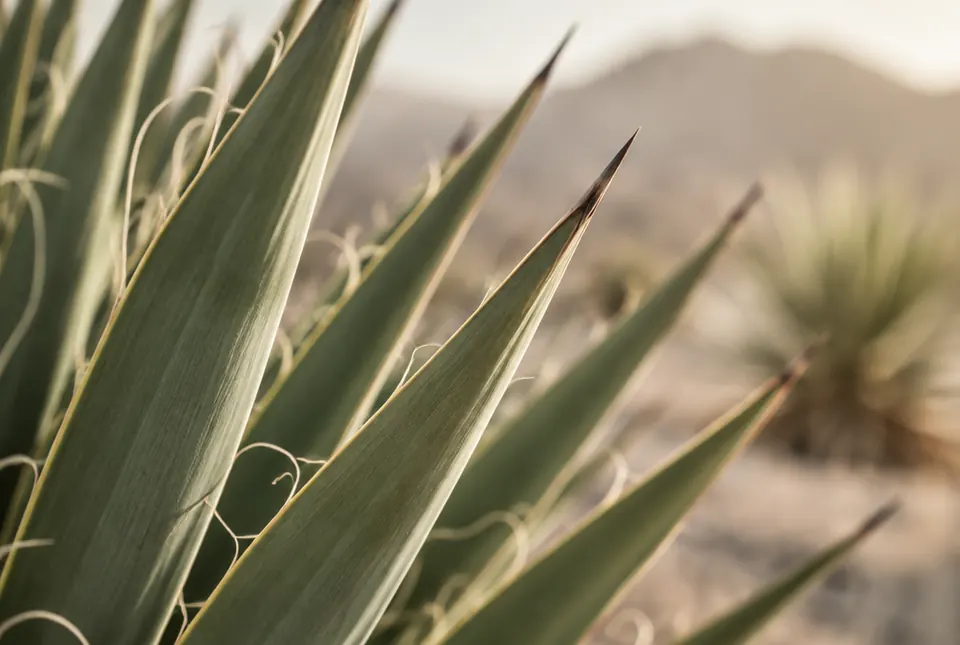
spiky yucca leaves in desert light
About

What is yucca?

Yucca schidigera, often called Mojave yucca, is a spiky desert plant that grows across the south-western United States and northern Mexico. Its trunk and roots are packed with saponins, natural soap-like compounds that foam when shaken with water. Indigenous peoples of the region used the root as a shampoo and soap, and also made use of the plant for food and fibre.

Today yucca extract has a surprising range of uses. It is added to animal feeds, used as a natural foaming agent in drinks, and sold in supplements, where it is traditionally used to support joint comfort. On a label you may see yucca, yucca root, Yucca schidigera extract or yucca stalk powder, usually in capsules or tablets and often in joint blends.

Beyond saponins, yucca contains polyphenols including resveratrol and compounds called yuccaols. Laboratory and animal studies have investigated their antioxidant and anti-inflammatory activity, and a few small human studies on joints were carried out in the 1970s. Modern clinical trials are lacking, so the interest in yucca for joints rests largely on tradition and early research.

What the research says

Evidence, not anecdote.

2 findings behind this ingredient. Hover a card for the detail and the source.

Review2006

A review found yucca's saponins and polyphenols have anti-inflammatory activity that may explain its traditional use for joints.

This review summarised laboratory evidence that yucca polyphenols, including resveratrol and yuccaols, inhibit NF-kappaB and act as antioxidants. The authors concluded further studies of yucca's effects on arthritis are warranted.

Preclinical2008

Compounds from yucca bark blocked COX and 5-LOX, enzymes that produce inflammatory messengers, in laboratory tests.

In vitro tests of a phenolic-rich yucca bark fraction and its main compounds, including resveratrol and yuccaols, showed inhibition of COX-1, COX-2 and 5-LOX to varying degrees.

In our range

Supplements with yucca.

Questions

Asked before you buy.

Can't see yours? Ask our team, answered within a working day.

What is yucca used for in supplements?

Yucca is traditionally used to support joint comfort, and it often appears in joint blends. Laboratory studies have explored its saponins and polyphenols, but there are no modern clinical trials confirming effects in people.

Is yucca the same as yuca or cassava?

No. Yucca is a desert plant whose root and trunk are used for extracts. Yuca, also called cassava, is a starchy root vegetable from a completely different plant. The similar names cause a lot of confusion.

Are yucca saponins safe to take?

When eaten, saponins are poorly absorbed and considered nearly non-toxic to humans, and yucca extract is approved for food use in the US. High amounts can cause stomach upset. Avoid it in pregnancy and check with a pharmacist if you take regular medicines.

Shop by goal
Often found with
Sources
  1. Anti-inflammatory and anti-arthritic effects of Yucca schidigera: a review · Journal of Inflammation (PubMed), 2006
  2. Antioxidant and Anti-Inflammatory Properties of Phytochemicals Found in the Yucca Genus · Antioxidants (PubMed), 2023

Information only, not medical advice. If you take medication, are pregnant or breastfeeding, speak to your GP or pharmacist first.

Find your protocol

Not sure where to start?

Six quick questions match you to the products in our range that fit your goal, with the reasons why.

Start the assessment