Free US delivery over $250
Nutra Formulations
Nutrients and compounds

MSM

Methylsulfonylmethane, an organic sulphur compound found in small amounts in foods.

Why it’s used: Supplies sulphur used in joint cartilage, hair and skin.

Shop 2 products with msm
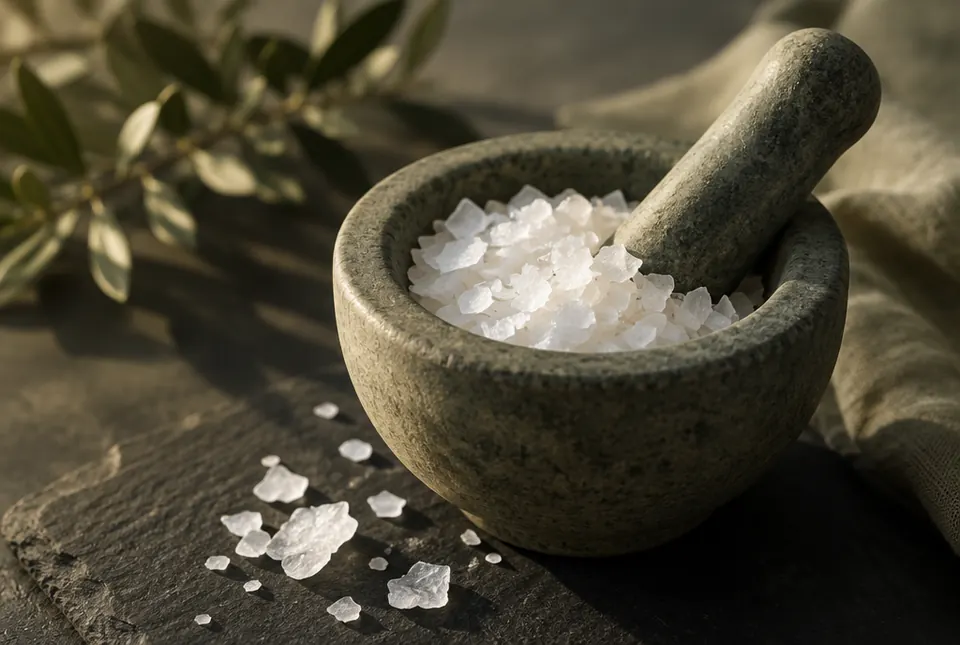
MSM crystals in a stone mortar
About

What is msm?

MSM, short for methylsulfonylmethane, is a simple organic sulphur compound. Sulphur is a building block of the amino acids cysteine and methionine, and of connective tissues such as cartilage, hair, skin and nails. MSM is sometimes called dimethyl sulfone, and it is closely related to DMSO.

Small amounts of MSM occur naturally in fruit, vegetables, grains, cow's milk, coffee, tea and even beer. The levels are low, and cooking and processing reduce them further. The MSM in supplements is made commercially, and you may see branded forms on labels alongside the plain name methylsulfonylmethane.

MSM is sold as capsules, tablets and powder, and it often turns up in joint formulas alongside glucosamine, chondroitin and collagen, as well as in hair and skin blends. Researchers have studied it in small trials looking at joint comfort and exercise recovery, with mixed results, and they note that the ideal amount and long-term effects are still not established.

What the research says

Evidence, not anecdote.

3 findings behind this ingredient. Hover a card for the detail and the source.

RCT2011

MSM at 1.125 g three times daily for 12 weeks improved knee pain and function scores versus placebo in knee osteoarthritis.

Randomised, double-blind trial of 49 adults aged 45–90 with knee osteoarthritis. MSM improved WOMAC physical function, WOMAC total score and pain VAS versus placebo, though the authors note the improvements were small.

RCT2023

In healthy adults with mild knee pain, 2 g of MSM daily for 12 weeks improved knee quality-of-life scores versus placebo.

Randomised, double-blind, placebo-controlled trial of 88 Japanese adults taking ten 200 mg MSM tablets or placebo daily. The total JKOM knee score at 12 weeks differed significantly in favour of MSM (p = 0.046).

Clinical study2022

Oral MSM at 1 to 3 g daily for 16 weeks reduced facial wrinkles and improved skin firmness, elasticity and hydration.

Two-part study: 20 people took 3 g MSM or placebo for 16 weeks, then 63 took 1 g or 3 g. MSM reduced wrinkles and roughness versus placebo and improved firmness, elasticity and hydration from baseline.

In our range

Supplements with msm.

Questions

Asked before you buy.

Can't see yours? Ask our team, answered within a working day.

What foods contain MSM?

MSM occurs in small amounts in fresh fruit and vegetables, grains, cow's milk, coffee and tea. Food levels are low and cooking or processing destroys some of it. Sulphur-containing foods such as eggs, onions, garlic and broccoli supply sulphur in other forms.

Is MSM the same as DMSO?

No, but they are related. DMSO (dimethyl sulfoxide) is a solvent, and the body converts part of it into MSM. MSM is the more stable, odourless compound sold as an oral supplement. They should not be swapped for one another.

Why is MSM often combined with glucosamine?

Both supply building blocks of connective tissue: MSM provides sulphur, and glucosamine is a component of cartilage. Joint formulas often pair them for that reason, and some small trials have studied the combination, but the evidence is not strong enough to promise results.

Shop by goal
Often found with
Sources
  1. Methylsulfonylmethane: Applications and Safety of a Novel Dietary Supplement · Nutrients (PubMed), 2017
  2. GRAS Notice 229: Methylsulfonylmethane · US Food and Drug Administration, 2007

Information only, not medical advice. If you take medication, are pregnant or breastfeeding, speak to your GP or pharmacist first.

Find your protocol

Not sure where to start?

Six quick questions match you to the products in our range that fit your goal, with the reasons why.

Start the assessment