Free US delivery over $250
Nutra Formulations
Herbs and botanicals

Dong quai

Root of a Chinese angelica plant, known as female ginseng.

Why it’s used: Traditionally used to support women’s monthly cycle and menopause.

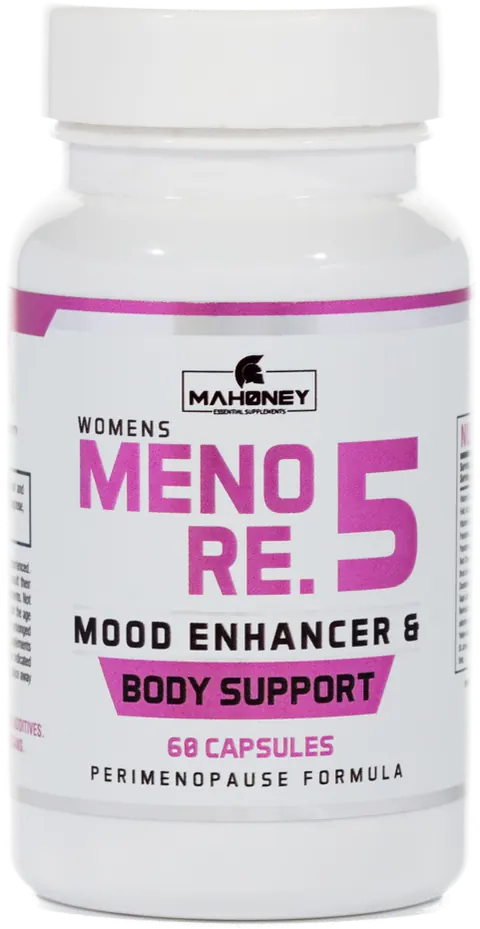
Shop 1 product with dong quai
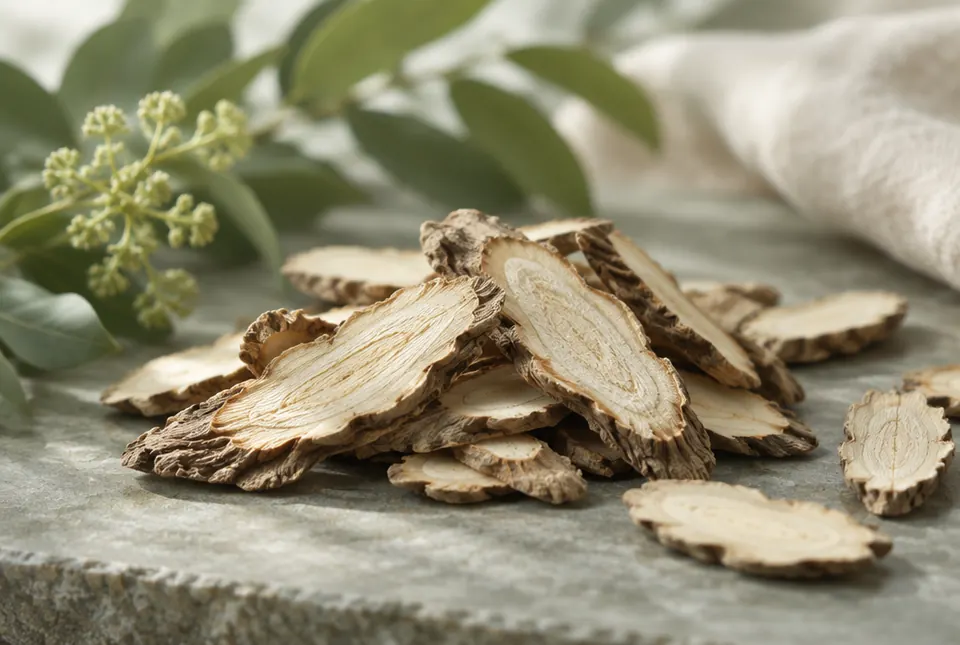
sliced dong quai root pieces
About

What is dong quai?

Dong quai (Angelica sinensis) is a fragrant plant in the same family as celery and carrots, native to the cool, damp mountains of China, Korea and Japan. The root is harvested, dried and sliced, and it has been part of traditional Chinese practice for well over a thousand years, where it is so closely linked with women's wellbeing that it is often called female ginseng.

In Chinese practice dong quai is rarely used alone. It is usually combined with other herbs in classic formulas, and the root also turns up in soups and tonics. In supplements you will see it listed as dong quai root, Angelica sinensis root powder or root extract, typically in capsules or in blends for women's health alongside herbs such as chaste tree, black cohosh or red clover.

Dong quai is traditionally used to support women's monthly cycle and the menopause. Very little research has been done on it in people, and the studies that exist have not allowed researchers to draw conclusions, so its reputation rests mainly on long tradition rather than modern trials.

What the research says

Evidence, not anecdote.

The finding behind this ingredient. Hover a card for the detail and the source.

RCT2003

A dong quai and chamomile extract reduced the number and intensity of hot flushes in postmenopausal women.

Placebo-controlled trial in 55 postmenopausal women with hot flushes, taking a combined Angelica sinensis and chamomile preparation (Climex) for 12 weeks. Hot flushes fell markedly versus placebo, with less sleep disturbance and fatigue; effects cannot be attributed to dong quai alone.

In our range

Supplements with dong quai.

Questions

Asked before you buy.

Can't see yours? Ask our team, answered within a working day.

Why is dong quai called female ginseng?

The nickname reflects its long use in traditional Chinese practice for women's wellbeing, especially the monthly cycle. It is not related to true ginseng (Panax), but holds a similarly respected place in the tradition.

Does dong quai interact with medicines?

Yes, it may. Dong quai may interact with warfarin and other blood thinners, which could raise the risk of bleeding. If you take any blood-thinning medicine, have a bleeding disorder or have surgery coming up, speak to your GP or pharmacist before using it.

Is there good evidence for dong quai and the menopause?

Not yet. Very little research has looked at dong quai for menopause symptoms, so no firm conclusions can be drawn. It is traditionally used to support women through the menopause, and that tradition is the main reason it appears in blends.

Shop by goal
Often found with
Sources
  1. Menopausal Symptoms and Complementary Health Approaches · National Center for Complementary and Integrative Health (NIH), 2017
  2. Herb-Drug Interactions: What the Science Says · National Center for Complementary and Integrative Health (NIH), 2022

Information only, not medical advice. If you take medication, are pregnant or breastfeeding, speak to your GP or pharmacist first.

Find your protocol

Not sure where to start?

Six quick questions match you to the products in our range that fit your goal, with the reasons why.

Start the assessment