Coenzyme Q10 benefits: what it does and who might need it
2 October 2026 · 4 min read

What is coenzyme Q10?
Coenzyme Q10 (CoQ10, also called ubiquinone) is a natural compound that helps your cells turn food into energy.
It sits inside the mitochondria, the small structures in each cell that produce energy, and it also acts as an antioxidant. Your body makes its own supply, and you get smaller amounts from foods such as meat, fish and nuts. As our CoQ10 ingredient guide explains, it is central to cellular energy production, and heart and muscle cells hold the most.
Because the body makes it, CoQ10 is not a vitamin, and there is no authorised health claim for it on the Great Britain nutrition and health claims register. That means we describe what the research has looked at, rather than promise any particular result.
Who might need coenzyme Q10?
CoQ10 is most often considered by people over 50 and by people taking statins, because both groups can have lower levels.
- Older adults. Blood levels of CoQ10 tend to decline as we get older, according to the US National Institutes of Health Office of Dietary Supplements.
- People taking statins. Statins, the cholesterol-lowering medicines, can lower CoQ10 in the blood. That fact alone does not prove a supplement will help with side effects, as the research below shows.
- Active people and those interested in healthy ageing. Some people choose CoQ10 as part of a wider routine, given its role in energy production. This is a personal choice rather than a proven need.
If you are unsure whether it is worth taking, a pharmacist is a good person to ask.
What does the research say about coenzyme Q10 benefits?
The research is genuinely mixed: some reviews are encouraging, others find no clear effect.
| Area studied | What reviews found | How confident can we be? |
|---|---|---|
| Statin-related muscle aches | A 2018 meta-analysis of 12 trials (575 people) reported less muscle pain, weakness, cramps and tiredness. A 2020 review of 7 trials (321 people) found no significant improvement in muscle pain. | Low. Results conflict, and a 2015 meta-analysis of 6 trials also found no significant benefit. |
| Heart failure (as an add-on studied by doctors) | A 2021 Cochrane review found CoQ10 may reduce deaths and hospital stays. | Low. The trials were few and small. |
Statins and muscle aches
This is the most common reason people ask about CoQ10. Trials in this area used between 100 mg and 600 mg a day, for one to three months. Because the reviews disagree, CoQ10 cannot be relied on to ease statin-related muscle symptoms. If you have aches on a statin, talk to your GP. Do not stop or change your statin on your own.
Heart health
The heart failure research involved people under medical care, and it does not mean CoQ10 is a treatment. Anyone with a heart condition should only take it after speaking to their cardiologist, GP or pharmacist.
Can you get coenzyme Q10 from food?
Yes, but only in small amounts compared with a supplement.
The Linus Pauling Institute at Oregon State University estimates that typical diets provide around 3 mg to 6 mg of CoQ10 a day. The richest sources are:
- meat and poultry
- fish
- soybean, corn, olive and rapeseed (canola) oils
- nuts and seeds
Fruit, vegetables, eggs and dairy foods provide moderate amounts. A varied diet with these foods is a sensible base, but it will not come close to the amounts used in supplements or in research. That is the main reason people who want more CoQ10 turn to a supplement rather than diet alone.
Remember too that your body makes most of its own CoQ10. Food and supplements add to that supply rather than replace it.
How much coenzyme Q10 should you take?
Supplements for adults typically provide 30 mg to 100 mg a day, though products and study doses vary.
There is no official UK recommended intake for CoQ10, because the body makes it. Some practical points:
- Take it with a meal. CoQ10 is fat-soluble and is best absorbed with some fat in a meal.
- Be consistent. The trials ran for weeks to months, not days.
- Follow the label. Stick to the serving on the pack unless a health professional advises otherwise.
Is coenzyme Q10 safe?
CoQ10 is generally well tolerated, but it can interact with some medicines.
- Warfarin. CoQ10 may reduce the effect of warfarin. If you take warfarin or another blood thinner, speak to your GP or pharmacist before starting it, and never adjust your anticoagulant yourself.
- Other medicines. If you take blood pressure medicines, diabetes medicines or are having cancer treatment, check with your doctor or care team first.
- Pregnancy and breastfeeding. Safety has not been well established, so speak to your GP or midwife before taking it.
- Side effects. Some people notice digestive upset, such as nausea, diarrhoea, loss of appetite or heartburn.
Where coenzyme Q10 fits in our range
If CoQ10 makes sense for you, choose a product with a clear amount per serving and take it with food.
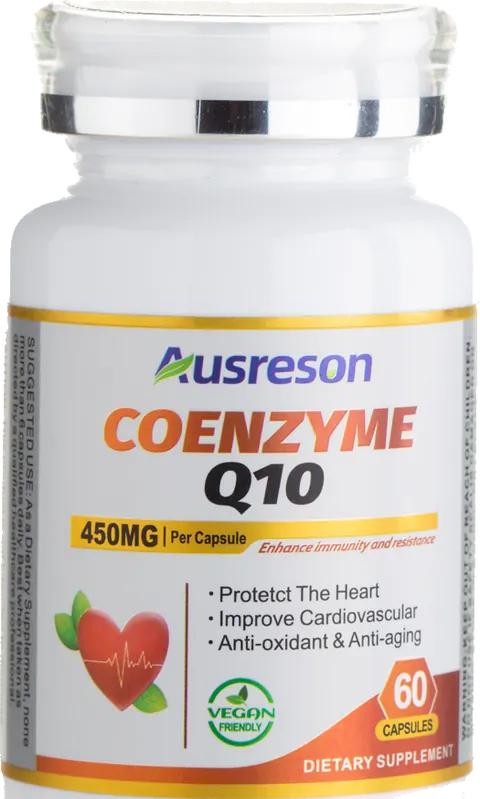
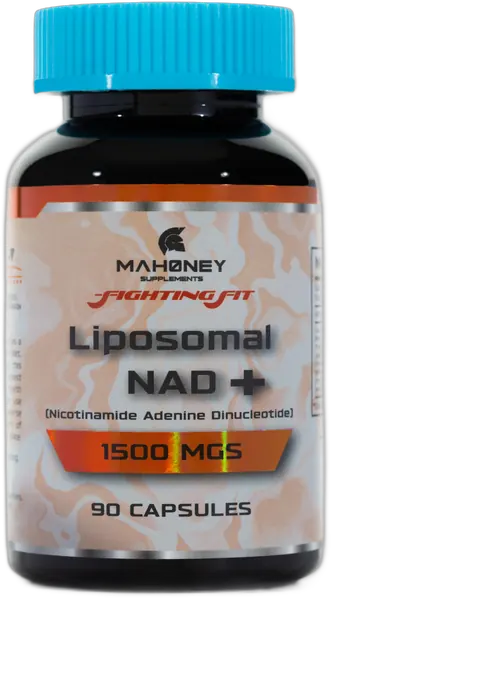
Our Coenzyme Q10 combines CoQ10 with vitamin C, which contributes to normal energy-yielding metabolism and the reduction of tiredness and fatigue, and vitamin D, which contributes to normal muscle function. Some people pair it with Liposomal NAD Plus, as NAD is also part of the body's energy production.
You can see related options in our heart collection. If you take any regular medicine, a quick word with your pharmacist first is always worthwhile.
- Coenzyme Q10: fact sheet for health professionals · NIH Office of Dietary Supplements, 2026
- Coenzyme Q10 for heart failure · Cochrane Database of Systematic Reviews, 2021
- Effects of coenzyme Q10 on statin-induced myopathy: an updated meta-analysis of randomized controlled trials · Journal of the American Heart Association (Qu et al.), 2018
- Effect of coenzyme Q10 on statin-associated myalgia and adherence to statin therapy: a systematic review and meta-analysis · Atherosclerosis (Kennedy et al.), 2020
- Coenzyme Q10 · Linus Pauling Institute, Oregon State University, 2014
- Effects of coenzyme Q10 on statin-induced myopathy: a meta-analysis of randomized controlled trials · Mayo Clinic Proceedings (Banach et al.), 2015