Vitamin B12 side effects, benefits and dosage
2 October 2026 · 4 min read

Does vitamin B12 have side effects?
Vitamin B12 rarely causes side effects, even at the higher amounts found in supplements.
The NIH Office of Dietary Supplements notes that B12 has not been shown to cause harm, even at high intakes. The European Food Safety Authority (EFSA) has not set a tolerable upper limit for B12, because the evidence did not show adverse effects that could be used to define one.
The NHS advises that taking 2 mg (2,000 micrograms) or less of vitamin B12 a day in supplements is unlikely to cause any harm.
Reported reactions
- Skin: acne-like breakouts have been reported, mostly with high-dose injections rather than oral supplements (EFSA).
- Allergy: as with any supplement, stop and seek advice if you notice a rash, swelling or itching.
No authority has said that more B12 is better. If your levels are already normal, higher doses are not known to add benefit.
What does vitamin B12 do?
Vitamin B12 contributes to the reduction of tiredness and fatigue, normal energy-yielding metabolism and normal psychological function.
These are authorised health claims in Great Britain. B12 also contributes to normal red blood cell formation, normal functioning of the nervous system and normal function of the immune system. You can find a short overview on our vitamin B12 ingredient page.
B12 is found almost only in animal foods such as meat, fish, eggs and dairy. Some breakfast cereals, plant drinks and yeast extracts are fortified with it.
How much vitamin B12 do you need?
The NHS says adults aged 19 to 64 need about 1.5 micrograms of vitamin B12 a day.
| Amount | What it means | Source |
|---|---|---|
| 1.5 micrograms a day | Adult daily need | NHS |
| 2 mg (2,000 micrograms) or less a day | Supplement amount unlikely to cause harm | NHS |
| No upper limit set | Evidence did not identify a harmful level | EFSA |
Most people who eat meat, fish and dairy get enough from food. Supplements are most useful for people whose diet or health makes it harder to get or absorb enough.
Who is most at risk of low B12?
Older adults, vegans and people with certain stomach conditions or medicines are most likely to run low.
- Older adults: B12 or folate deficiency affects around 1 in 10 people aged 75 and over, and 1 in 20 aged 65 to 74 (NHS).
- Vegans: people who do not take B12 supplements or eat fortified foods are at risk.
- Pernicious anaemia: an autoimmune condition that stops the body absorbing B12 from food. It is the most common cause of B12 deficiency in the UK.
- Stomach and bowel conditions: such as Crohn's disease, or after some stomach surgery.
Which medicines affect vitamin B12?
Several common medicines can lower B12 levels, so it is worth checking with your pharmacist.
- Metformin, used for type 2 diabetes, may reduce B12 absorption.
- Proton pump inhibitors (such as omeprazole) and H2 blockers can reduce absorption of B12 from food.
- Some anticonvulsants and nitrous oxide can also affect B12.
If you take any of these long term, ask your GP whether a B12 blood test is right for you. Do not stop or change a prescribed medicine because of your B12 levels. Your GP or pharmacist can advise whether a supplement makes sense alongside it, and how often to check.
What are the signs of low B12?
Low B12 can cause tiredness, pins and needles, a sore red tongue and changes in mood or memory.
The NHS lists symptoms including extreme tiredness, a lack of energy, pins and needles, a sore and red tongue, mouth ulcers, muscle weakness, problems with vision, and changes in mood, memory or judgement.
These symptoms have many possible causes. See your GP rather than self-diagnosing. Some effects of B12 deficiency can become permanent if not treated early, so it is important not to delay.
Which form of vitamin B12 is best?
Several forms of B12 are used in supplements, and NHS guidance lists cyanocobalamin, methylcobalamin and adenosylcobalamin as suitable over-the-counter options.
- Cyanocobalamin: the most widely used and studied form in tablets.
- Methylcobalamin: a form found naturally in the body, often used in sprays and liquids.
- Adenosylcobalamin: another natural form, sometimes combined with methylcobalamin.
Sprays and liquids can suit people who dislike swallowing tablets. Whatever the form, check the label for the amount per dose and keep within the NHS guide of 2 mg or less a day unless your doctor advises otherwise.
Supplements vs treatment
A shop-bought B12 supplement supports a normal diet, but it is not a replacement for medical treatment of a diagnosed deficiency.
If you are diagnosed with B12 deficiency, especially if it is not related to diet, NHS treatment is usually injections of hydroxocobalamin. Where deficiency is diet related, the NHS may advise B12 tablets or occasional injections. Follow your doctor's plan, and tell them about any supplements you take.
Choosing a B12 supplement
B12 comes as tablets, capsules and sprays, and the right form is the one you will take consistently.
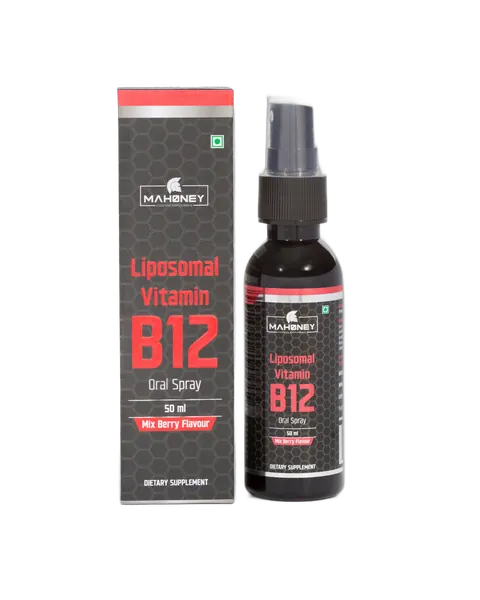
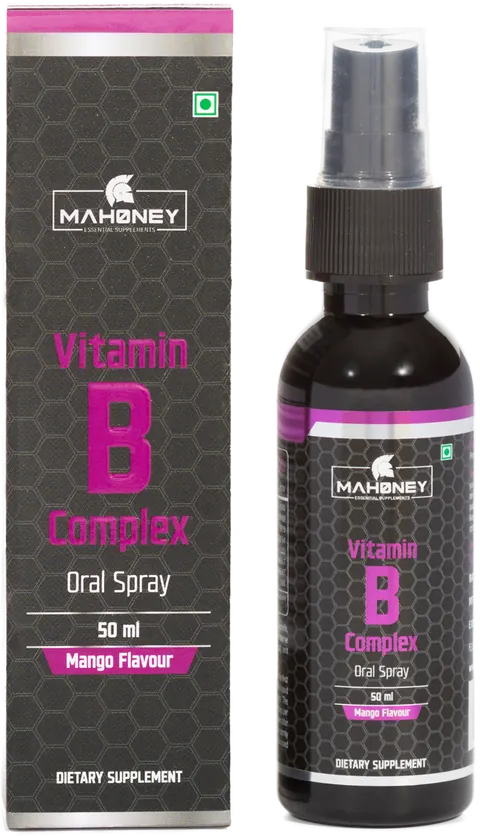
Our Liposomal Vitamin B12 Oral Spray uses methylcobalamin in a liposomal base, sprayed into the mouth. If you prefer a broader formula, our Vitamin B Complex combines B12 with the other B vitamins, including vitamin B6 and biotin. You can browse more in our energy collection.
If you are pregnant, take regular medication or have a medical condition, speak to your GP or pharmacist before starting. It is also worth telling your doctor you take B12 before any blood tests, so your results can be read in context.
- Vitamins and minerals: B vitamins and folic acid · NHS, 2023
- Vitamin B12 or folate deficiency anaemia · NHS, 2023
- Vitamin B12 fact sheet for health professionals · NIH Office of Dietary Supplements, 2024
- Tolerable upper intake levels for vitamins and minerals · European Food Safety Authority, 2006
- Great Britain nutrition and health claims (NHC) register · Department of Health and Social Care, 2024
- Vitamin B12 deficiency clinical guidance · NHS South West London ICB, 2022
- Guideline for the management of vitamin B12 (cobalamin) deficiency in adults · NHS North West, 2024